Start with the devices your network needs to connect today, then allow for future expansion. A switch should provide the right mix of access ports, uplinks, power delivery and management capabilities for its position in the network.
Count ports and check interfaces
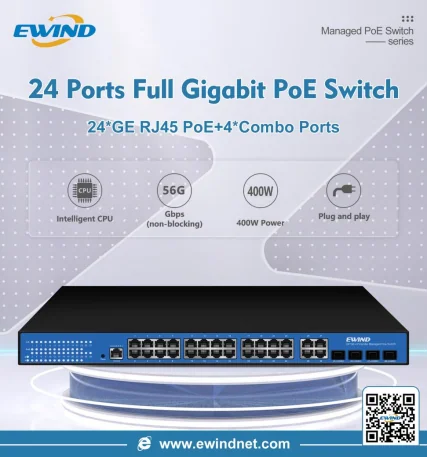
Access ports connect end devices; uplinks connect the next network layer. Check both the number and type of interfaces: RJ45 copper, SFP fiber and PoE. Confirm whether Fast Ethernet, Gigabit or 10G connectivity is required.
Match capacity to the network
Review switching performance and MAC address table capacity. For Layer 3 deployments, confirm that route capacity supports the number of connected subnets and endpoints.
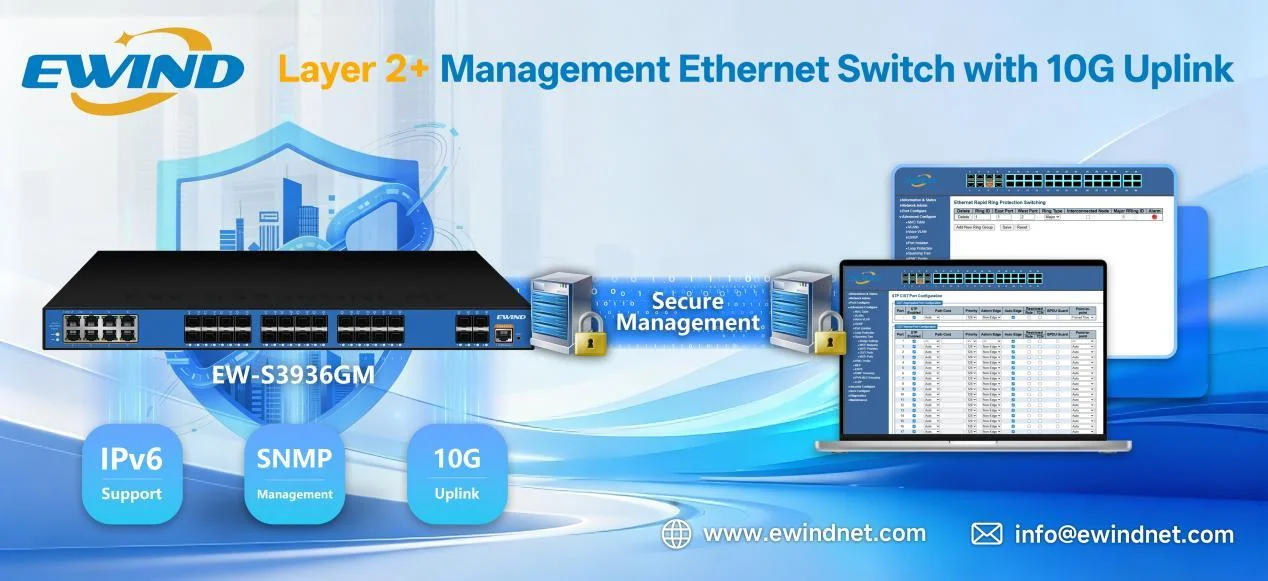
Specify management and security
VLANs segment the network. Routing connects subnets. DHCP snooping, access control and 802.1X authentication help enforce network policies. Link protection and monitoring features support reliable operation.
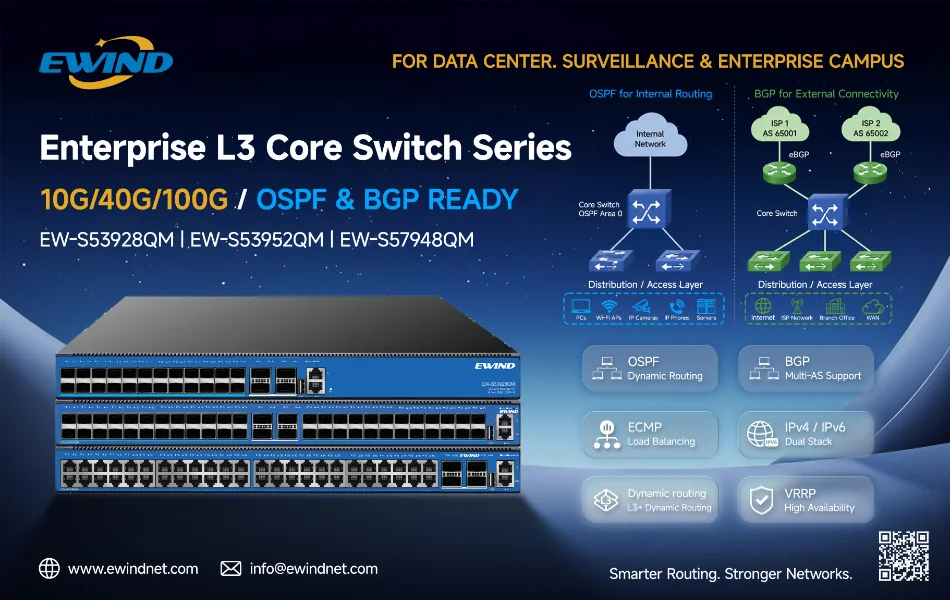
Select for the network layer
Access, aggregation and core switches have different roles. Match the port density, uplink speed and routing capabilities to the scale of the deployment, then compare the exact model specifications.